
In GrimKeep, you defend by leaving dice out of your attack. Dice you do not commit to the attack contribute to defense. Read the enemy's intent first, then compare your attack and defense previews before you commit. A common split is to attack with three matching dice and hold a separate pair back for defense.
How defense works
Every turn, you roll your dice and decide what to do with each one. Some dice go into your attack, and the rest stay back. Those held-back dice contribute to your defense against the enemy's next move.
That makes every roll a trade-off. More dice in the attack means more damage but less defense. Fewer dice in the attack means a smaller hit but a safer turn.
The enemy's intent is visible before you commit. You do not have to guess what is coming. Use that warning to decide how much of your roll to keep back.
Read the enemy intent first
Always check the intent before you plan your attack. The intent tells you what the enemy will do on its turn. A weak intent lets you attack harder, while a dangerous one calls for more defense.
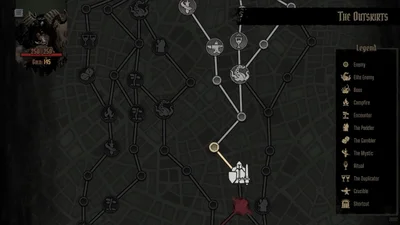
The Town Crier's intent in the official boss-fight screenshot, for example, reads Steal 50. The game shows intents like this before you commit any dice. Plan your split around what the intent shows.
If an all-out attack can end the fight this turn, defense matters less. The enemy cannot act if it is already defeated. If the attack cannot finish the fight, keep enough defense to survive the reply.
A worked example
Suppose you roll 4, 4, 4, 2, 2. You could commit all five dice as a Full House for an attack worth 25 base Combo Points. That leaves nothing back for defense.
Instead, try attacking with the three 4s as a Three of a Kind and leaving the two 2s for defense. The attack is smaller, at 15 base Combo Points, but the pair now contributes to defense. The developer's June fight walkthrough uses this same kind of split, with Three of a Kind for damage and a Pair for defense.
Compare the two options using the previews the game shows. Check that the hit you take after the split is survivable. If it is, the smaller attack is often the better choice.
Use the previews
GrimKeep shows previews for both your attack and your defense. Look at both before you commit. The displayed values already include your dice types and items.
Previews matter even more because scoring rules have changed during development. In November, the studio described testing changes to how multiple combos score in attack and defense. Trust the displayed defense value over any rule you learned in the demo.
Try a few different splits before you lock one in. Moving a single die from attack to defense can change both previews. Pick the split that leaves you safe while dealing the most damage.
The full-defense option
The developer also describes a full-defense option. Instead of splitting your roll, you put everything toward defense. That gives up your attack for the turn.
Use it when the attack preview falls short of ending a lethal turn. If you cannot kill the enemy and a split still leaves you in danger, full defense may be the safest choice. Compare the defense from a split submission with the full-defense preview before you decide.
Full defense is a tool for the worst turns, not every turn. Giving up attacks makes fights last longer. Use it when survival is truly at stake.
Dice and items that improve defense
Some dice and items make your held-back dice count for more. The official dice reference says an Armored die adds 5 Defense when activated. The official item reference lists the Ringmail, which doubles Defense.
| Source | Documented effect |
|---|---|
| Armored die | Adds 5 Defense when activated |
| Ringmail | Doubles Defense |
| Healing die | Restores 2% of your maximum HP per activated die |
| Flower Crown | Healing tied to unused rerolls |
Armored dice and the Ringmail work well together. The Armored dice raise your Defense, and the Ringmail doubles it. Healing effects restore health, which helps you recover from hits you could not block.
Which dice to keep back
Keep back the dice that do the least for your attack. A die that does not fit your combo adds little damage but still helps defense. Hold those dice first.
If your bag has Armored dice, watch how they change the defense preview. They add 5 Defense when activated, so try splits with and without them before you commit. The dice upgrades guide covers when to add Armored dice to your bag.
Pairs are a natural defense split, since many rolls contain one alongside a bigger combo. The example above leaves a pair for defense while three matching dice attack. Look for splits like that in your own rolls.
When a hit looks lethal
Sometimes even your best defense will not stop a lethal hit. Check the Sacrifices counter on your combo sheet. In the October demo, that counter shook when the coming attack would kill you and a sacrifice remained.
The combo sacrifice guide explains what is known about that mechanic. If you do fall, the Death's Die gives you one more roll. It can revive you with full health, grant a boon for your next run, or come up empty.
Defense for each starting hero
The Beast can pay 10 HP for each extra reroll after the free ones. Those rerolls can help you find a better split, but they cost health. Weigh the HP cost against the defense you gain.
The Huntress can carry unused rerolls into later attacks. Saving rerolls on a safe turn gives you more options on a dangerous one. The beginner guide covers both heroes for your first run.
Common defense mistakes
The biggest mistake is committing every die on every turn. It feels efficient, but it leaves you exposed to every enemy move. Get into the habit of checking the intent and the defense preview first.
The second mistake is holding back too much. Fights that drag on give the enemy more turns to hurt you. If the intent is weak, put more dice into the attack and end the fight sooner.
The third mistake is building a bag with no defensive options at all. A pure damage build can work, but it needs to win fights quickly. If your runs keep ending in long fights, add some Armored dice or look for the Ringmail.
Quick answers
Do unused dice automatically defend? Dice you leave out of your attack contribute to defense. You choose the split before you commit. The defense preview shows how much those dice add.
Should I always keep a pair back? No, the pair is just a common example. Some turns call for a full attack and others for full defense. Let the enemy intent decide.